
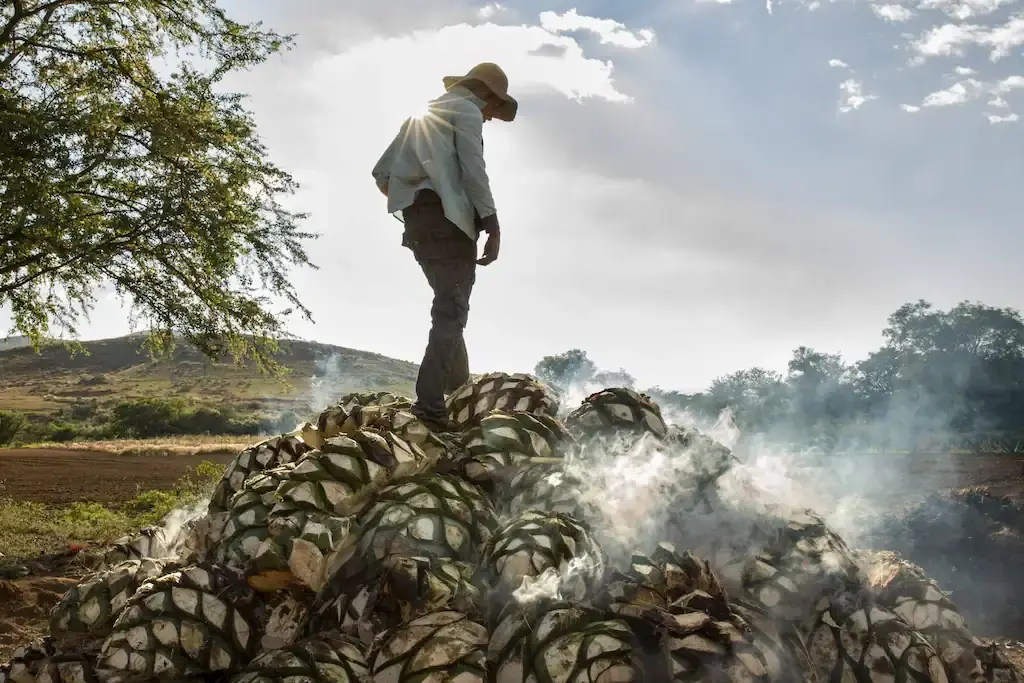
Sweet smoke hangs in the air of Axocopan, Mexico. Not the mighty Popocatépetl volcano is to blame, but the palenqueros cooking ripe agave hearts once again to make the world’s number one super-premium+ mezcal.
The agave, a member of the asparagus family (Asparagaceae), is ready for harvest shortly before it flowers for the first and only time – after about seven to ten years of growth. Mezcal is made from the heart of the agave: the leaves are cut away and only the pineapple-shaped core (hence its Spanish name piña, "pineapple") is harvested, cooked and then crushed into a mash.
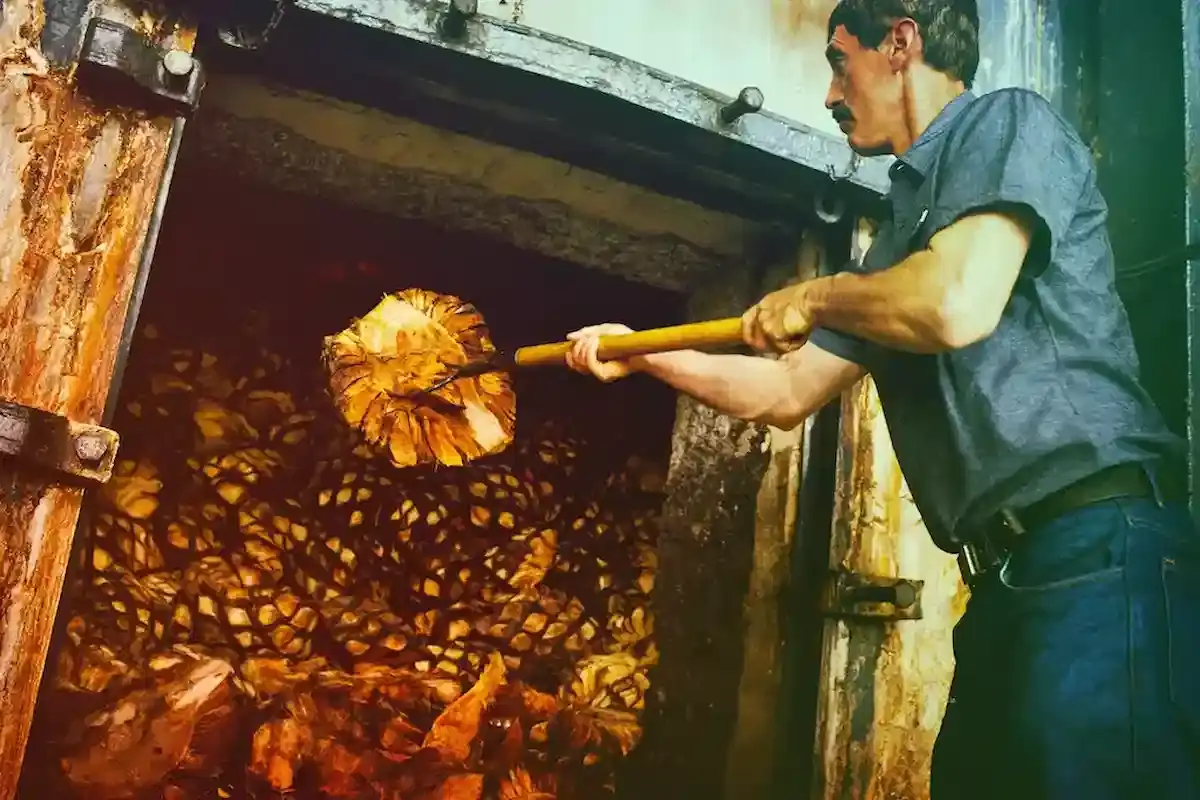
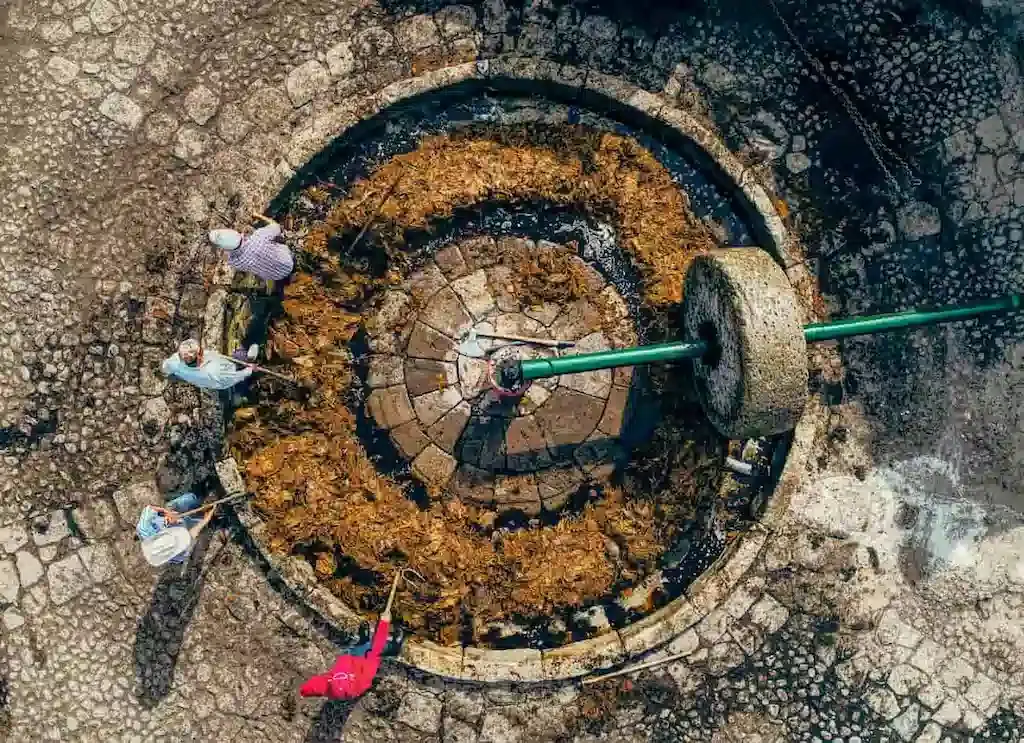
Traditionally the cooking takes place in palenques, large pits in the ground. The pits are lined with hot stones, filled with agave hearts and finally covered with palm mats (petate) and earth. The piñas stay there for three to five days to absorb the mineral aroma of the volcanic soil and the spice of the smoke. The agave hearts then rest for about a week before being crushed with a millstone. The mash is fermented naturally for several days and distilled twice in small copper pot stills.
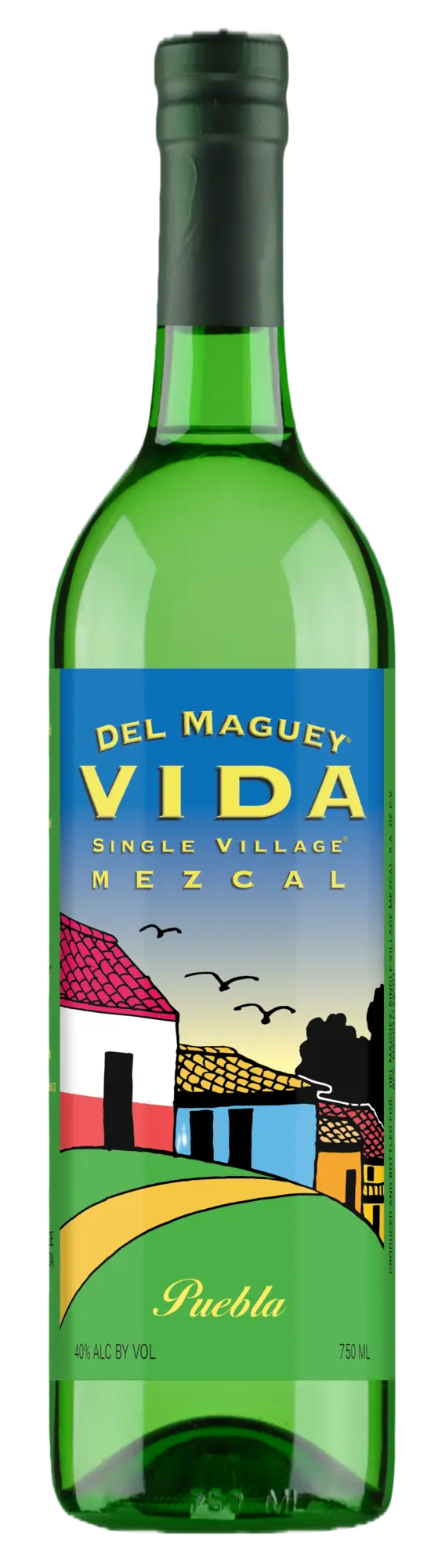
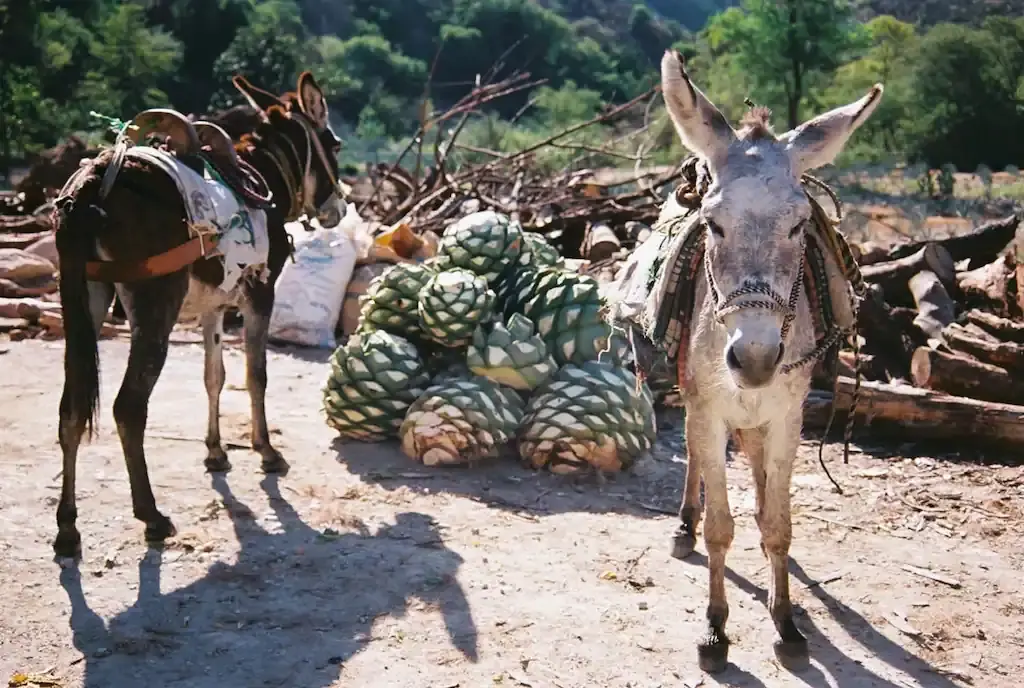
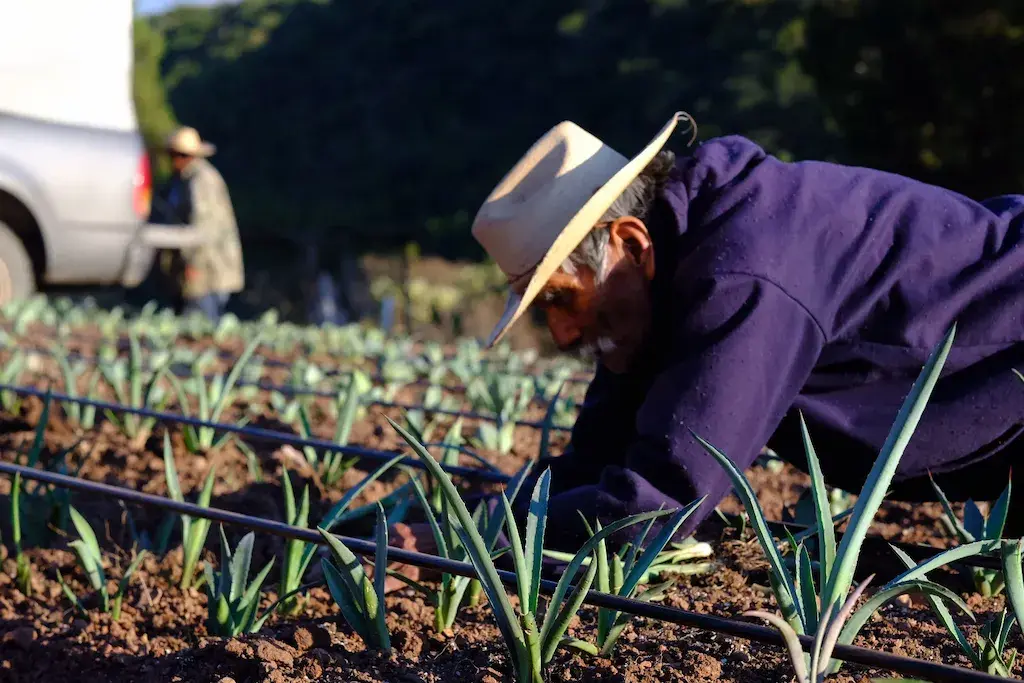
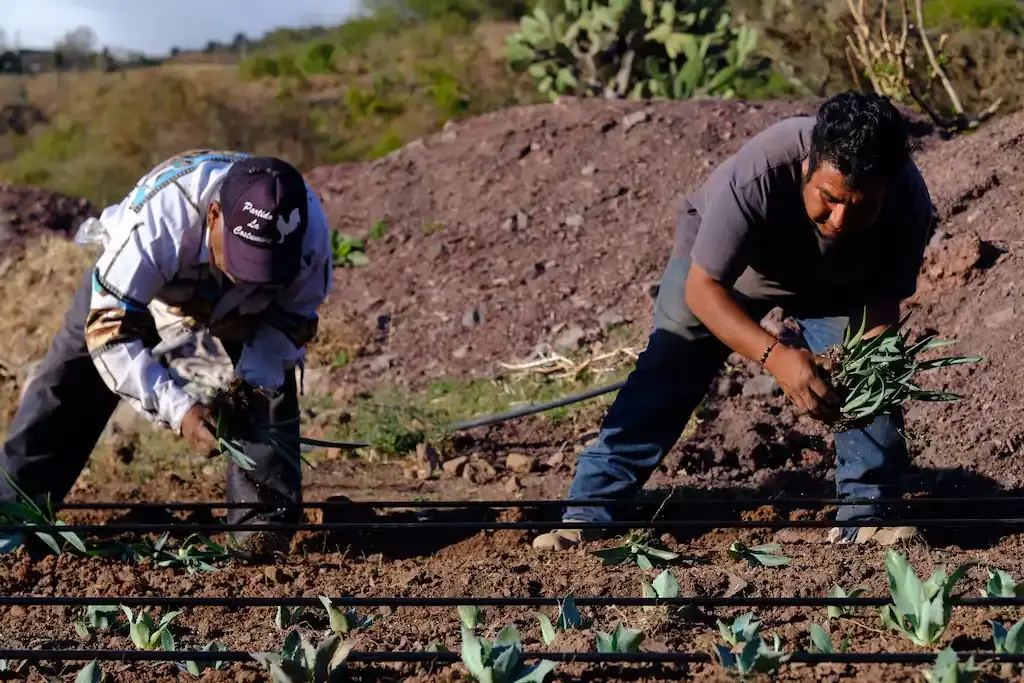
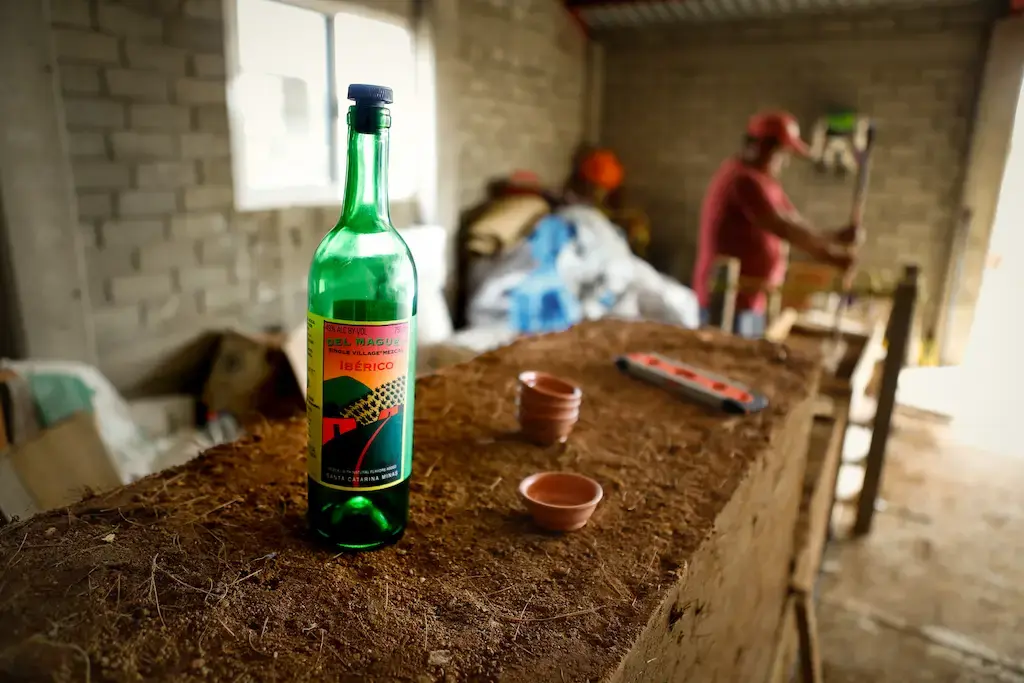
Del Maguey Single Village Mezcal was founded in 1995 by the renowned American artist and visionary Ron Cooper, who has a deep cultural bond with the Zapotec and Mixtec palenqueros, as the producers are called.
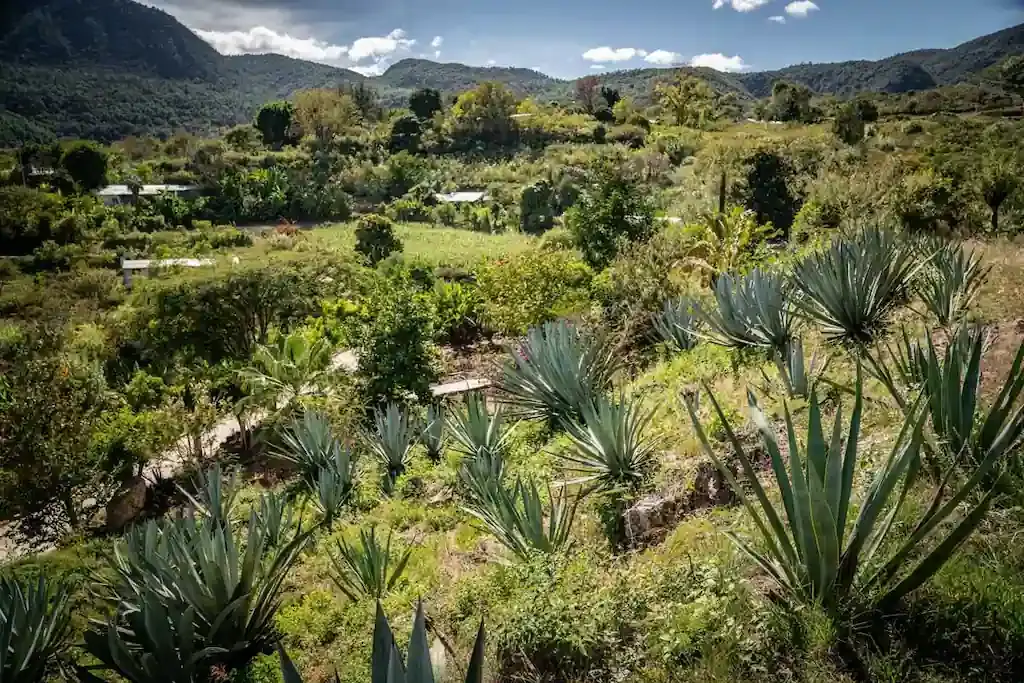
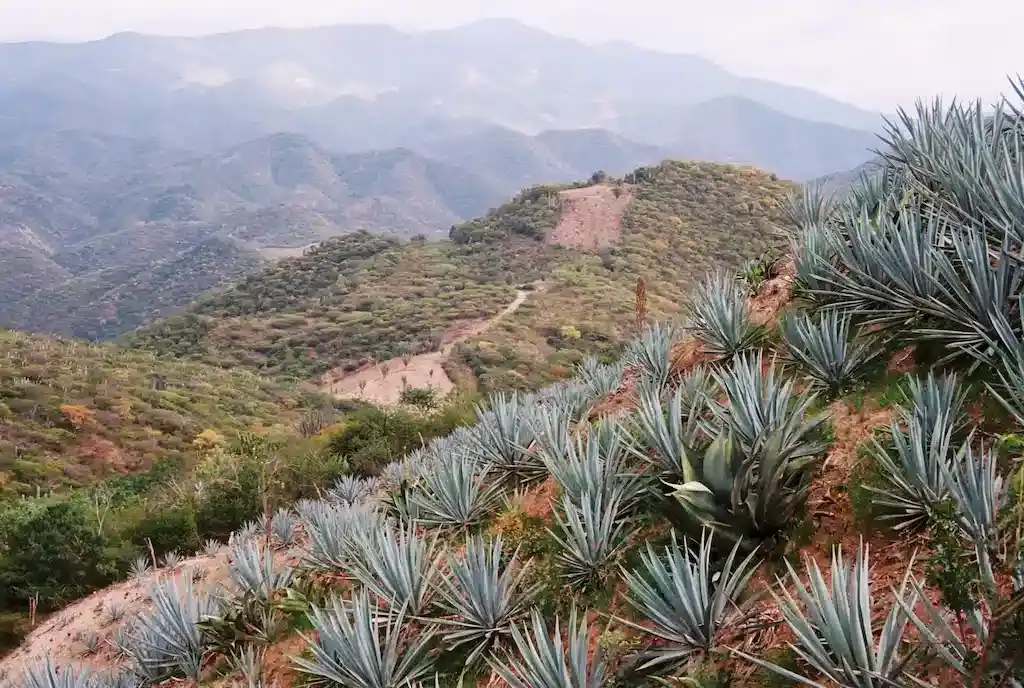
The various Del Maguey bottlings are named after the village where they are made or the agave variety used. The certified organic mezcals come from remote villages in the Mexican regions of Oaxaca and Puebla and are made by indigenous farmers in small, long-established family businesses.
Del Maguey’s palenqueros oversee the making of their mezcals from the growth and harvest of the maguey (agave) to the end of the distillation. Different agave species, microclimates, terroirs and each palenquero’s personal touch give every bottling its own rich, sweet and smoky character and unique aroma.
Rich and structured, the cooked agave unfolds with a hint of poblano pepper and roasted rosemary, accompanied by a pronounced minerality that points to the volcanic rock of the region. Mezcal is traditionally sipped neat, but it is also a perfect partner for cocktails.
"In any case, Del Maguey’s mezcals offer the chance to taste some of the world’s best."
- NEW YORK TIMES
Recipes
Mezcal Margarita
5 cl Del Maguey Vida Clásico Mezcal
2.5 cl lime juice
2 cl simple syrup
2 cucumber slices
2 rosemary sprigs
Put the cucumber slices and a rosemary sprig into a cocktail shaker and muddle gently to release their aromas. Add Del Maguey, lime juice and syrup. Shake hard with ice for about 15–20 seconds until well chilled. Strain into a margarita glass with fresh ice. Garnish with a cucumber slice and a small rosemary sprig.
Call Ron Cooper
3 cl Del Maguey Vida Clásico Mezcal
3 cl blanco tequila
3 cl Velvet Falernum liqueur
1.5 cl freshly squeezed lime juice
3 dashes Peychaud’s Bitters
1 tablespoon agave nectar
Pour all ingredients into a highball glass and fill almost halfway with crushed ice. Stir to chill further. Top with more crushed ice and garnish absurdly. By Alex Kratena and Simone Caporale – London, England.
White Mezcal Negroni
3 cl Del Maguey Vida Clásico Mezcal
3 cl Lillet Blanc
3 cl Suze
Ice
Lemon twist to garnish
Combine Del Maguey Vida Clásico Mezcal, Lillet Blanc and Suze in a mixing glass. Fill with ice and stir until well chilled. Strain into a chilled rocks glass filled with ice. Garnish with a lemon zest.
